


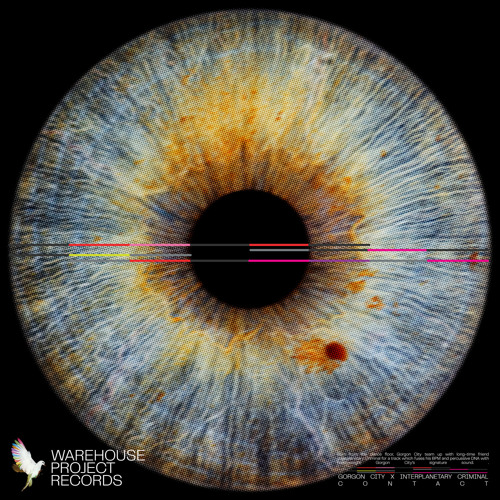
Some tracks don’t need to scream for attention — they just lock in. ‘Contact,’ the new collaboration between Gorgon City and Interplanetary Criminal, is exactly that kind of record. From the first few seconds, Contact establishes its identity: tight percussion, rolling bass, and a sense of tension that never fully explodes — and that’s the point. This is a track built for long nights, low lights, and rooms where people aren’t filming every drop, but actually moving. It feels rooted in UK garage tradition while still sounding undeniably current, a balance both artists know how to strike effortlessly. For Gorgon City, this release fits naturally into their ongoing evolution — a duo that has always understood how to translate underground culture into something globally resonant without losing credibility. Their production here is polished but never sterile, functional yet emotional. Meanwhile, Interplanetary Criminal injects that raw UK energy he’s become known for — swing, shuffle, and attitude — grounding the track firmly in club culture. This is the kind of record you don’t just hear once — it grows on you. First listen: you nod. Second listen: you move. Third listen: you start imagining where it’ll hit hardest — warehouse, open-air terrace, 2 a.m. club set when the crowd is fully locked in. Formed in North London, Gorgon City have spent over a decade shaping modern house music with a sound that blends UK garage roots, soulful vocals, and club-ready production. Known for tracks that balance accessibility with depth, the duo have built a reputation for consistency — whether in the studio or behind the decks. Their ability to stay relevant without chasing hype is exactly what keeps releases like Contact feeling authentic rather than forced. Manchester-based producer Interplanetary Criminal has been instrumental in the resurgence of UK garage and bass-driven club music in recent years. With a sound that embraces groove, nostalgia, and forward motion all at once, he represents a new generation of artists deeply connected to underground culture while still shaping mainstream conversations. His contribution to Contact adds grit, swing, and unmistakable character.‘Contact’ By Gorgon City & Interplanetary Criminal
About Gorgon City

About Interplanetary Criminal
