


One of Detroit’s most legendary ruins is officially on track for transformation. City officials have unveiled a $50 million redevelopment proposal for the long-abandoned Packard Automotive Plant, a site deeply tied to both the city’s industrial legacy and its underground electronic music culture. The project will include the development of the Museum of Detroit Electronic Music (MODEM), marking a major cultural milestone for the birthplace of techno. Located on Detroit’s East Side, the Albert Kahn-designed facility has remained largely vacant since automobile production ceased in 1958. Over the decades, the Packard Plant became a global symbol of post-industrial decay and later, an unexpected cornerstone of Detroit’s underground rave movement. While the Packard Plant was once a centerpiece of American automotive manufacturing, it gained a second life in the late 1990s as a hub for Detroit’s underground electronic music scene. The massive concrete ruins became the setting for Richie Hawtin’s legendary Spastik warehouse parties, as well as the iconic DJ Godfather vs. Gary Chandler showdown, cementing the site’s place in rave history. More recently, the plant has served as a backdrop for major film and music productions, including Transformers, the horror film It Follows, and Eminem’s ‘Beautiful’ music video. In 2015, a rare Banksy mural was also discovered within the ruins and later sold at auction for $137,500 — further reinforcing the site’s layered cultural value. The newly announced project focuses on the southern 28 acres of the former factory complex, which will be rebranded as Packard Park. Plans call for a multi-use cultural and community development that merges historic preservation with new economic opportunities. Key components of the proposal include: If approved, construction is projected for completion by 2029. Detroit Mayor Mike Duggan addressed the project’s significance, calling the Packard Plant the city’s “most iconic ruin” and emphasizing that years of legal and structural work were required just to make this moment possible. Incoming mayor Mary Sheffield echoed that sentiment, emphasizing that the redevelopment honors both the city’s history and its future through housing, job creation, and cultural investment. In a particularly meaningful message, organizers also shared that they had previously considered pausing the project altogether due to the immense workload involved. However, community support and renewed momentum following recent cultural activation at the site pushed them forward, reinforcing just how much the space continues to mean to Detroiters. The transformation of the Packard Plant into Packard Park represents more than just redevelopment; it symbolizes reclamation. A site once defined by economic collapse and urban decay is now poised to become a center for creativity, culture, and community growth. By uniting industrial heritage, electronic music history, affordable housing, and job creation under one vision, Detroit is once again rewriting its narrative, just as it did when it gave the world techno. The Museum of Detroit Electronic Music is no longer just an idea. It’s becoming reality.Detroit’s Historic Packard Plant To Become Electronic Music Museum
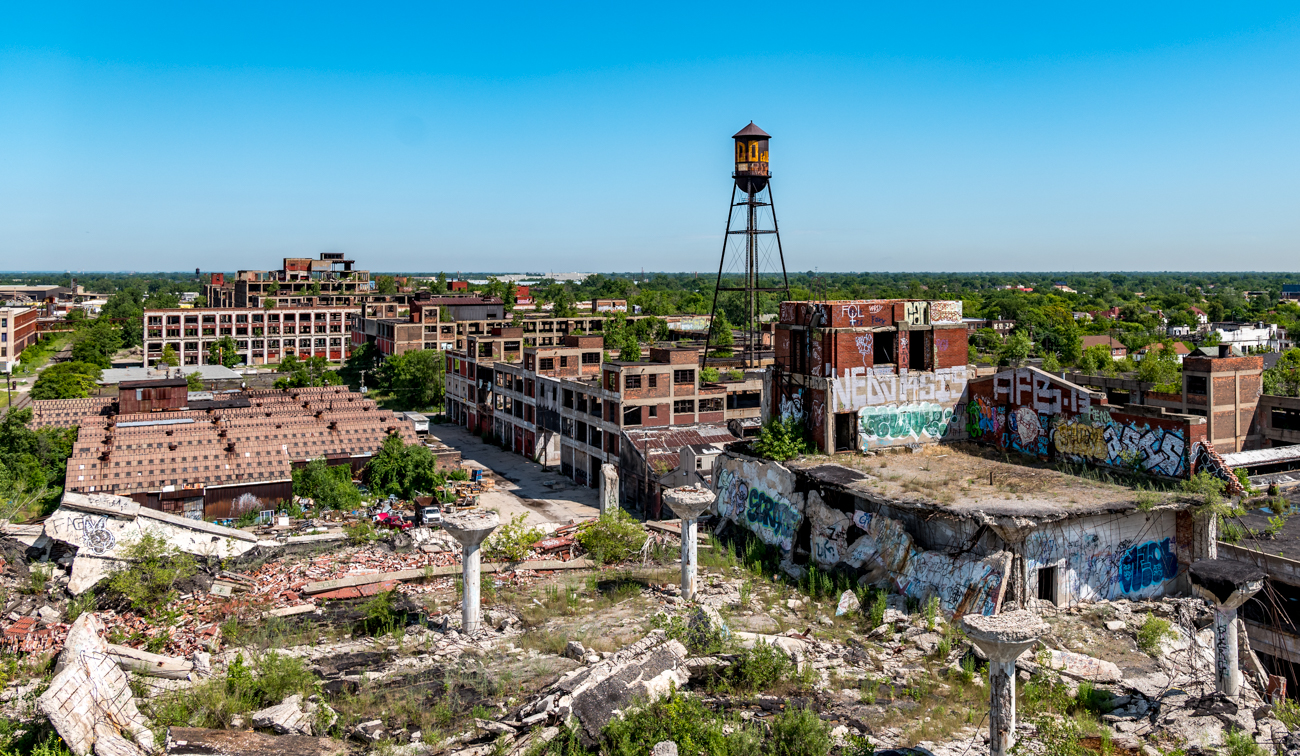
From Industrial Powerhouse To Techno Landmark
Packard Park: What The $50 Million Redevelopment Includes
Statement From Detroit Leadership
A New Chapter For A Legendary Space