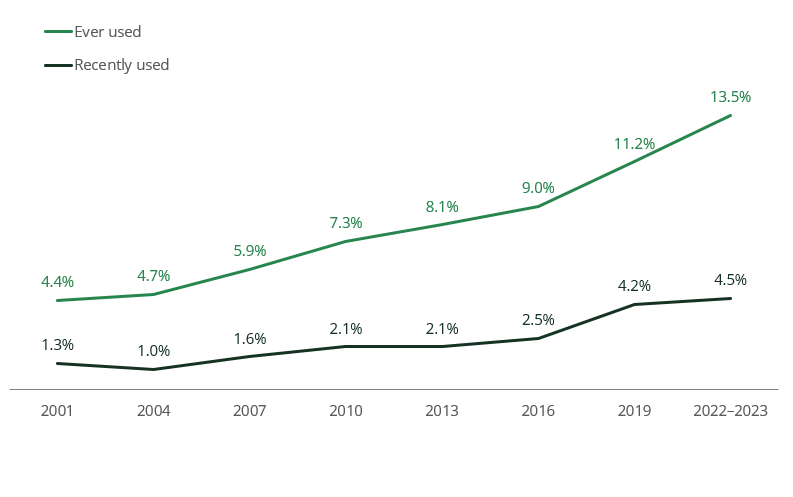
Australian health experts have issued a stern warning to individuals living with ADHD, cautioning against the use of cocaine as a form of self-medication. This advisory follows reports that some neurodiverse Australians are increasingly turning to black market stimulants while navigating the challenges of delayed diagnoses and medication scarcity. According to the Herald Sun, the issue was highlighted by the case of a 35-year-old man named Matt, who had been using cocaine on a weekly basis before receiving an official ADHD diagnosis. While experts acknowledge that cocaine may temporarily alleviate racing thoughts, they emphasize that it carries significantly higher risks than prescribed clinical treatments. Unlike regulated medication, illicit substances lack dose control, medical oversight, and quality assurance. The scale of the issue is significant. Data from 2022-23 indicates that approximately 1 million Australians—roughly 4.5% of the population aged 14 and over—reported using cocaine in the previous year, making it the country’s second most common illicit drug after cannabis. With clinical estimates suggesting that 3-5% of adults and 6-8% of children live with ADHD, the intersection of these two groups presents a growing public health concern. While individual stories like Matt’s provide a window into the struggle, they also raise broader questions about stimulant use. People often turn to stimulants for various reasons, whether to manage social anxiety, increase productivity, or cope with stress. In many instances, individuals may be attempting to self-manage symptoms they do not yet fully understand. This trend is particularly relevant to the nightlife and electronic music scene. While the EDM community does not cause drug use, festivals and clubs are often spaces where conversations regarding substance use and harm reduction become unavoidable. The accessibility of various substances in these environments makes the need for clear, evidence-based information more critical than ever. Research underscores the prevalence of substance use within the festival circuit. A report from Monash University, which surveyed 2,305 attendees across 23 festivals in Victoria, found that nearly 48% of participants had used drugs recently, with another 24% intending to do so at future events. The study noted a correlation between attendance at electronic music festivals and higher rates of both recent and planned drug use. International data reflects similar patterns. A study tracking drug use among EDM party attendees in New York City between 2016 and 2019 revealed a sharp increase in substance use, with past-year powder cocaine use rising from 17.3% to 35.2%. These findings suggest that harm-reduction strategies must evolve to address a wider range of substances beyond just MDMA. The warning issued in Australia serves as a reminder that stimulant use sits at the complex intersection of mental health, healthcare access, and social pressure. For the electronic music community, the goal should not be moral judgment, but rather fostering an environment where honest, informed conversations about health and safety can occur. Cocaine is not a substitute for ADHD medication. Relying on illicit substances for a temporary sense of focus or confidence can mask underlying issues and lead to severe health crises. Prioritizing harm reduction, mental health awareness, and improved access to professional medical support is essential to ensuring that individuals can make safer choices.Australians are Substituting ADHD Medication with Cocaine Due to Scarcity

Australia’s ADHD-Cocaine Warning
From One Case Study To A Wider Culture
Drug Use In Festival And EDM Spaces
The Bigger Takeaway For The Scene